Say Goodbye to Cold Foam: A Beginner’s Guide to Shaver Bowls and Scuttles
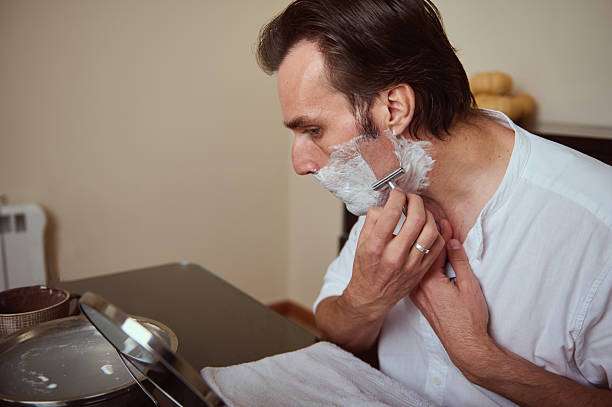
are open, and you’reImagine this scenario: a cold winter morning, the bathroom tiles gleaming. You’ve just washed your face with hot water; your pores open, feeling great.
Then, you grab a can of supermarket foam or soap lather made with cold water and smear it on your face—the instant chill not only sends a shiver down your spine, but worse, your relaxed skin tightens instantly.
safety razorMany Safety Razor beginners often spend their budget on expensive razor handles and badger hair brushes, neglecting the invisible, decisive factor in the wet shaving experience: temperature.
safety razorIf you’re looking for the ultimate comfort of a “hot towel experience” like in an old-school barbershop, then simply owning a Safety Razor isn’t enough.
Today, we’re not talking about blade sharpness, but rather how to transform your bathroom into a private grooming room using wet shaving accessories—the shaving bowl and the warm foam scuttle.
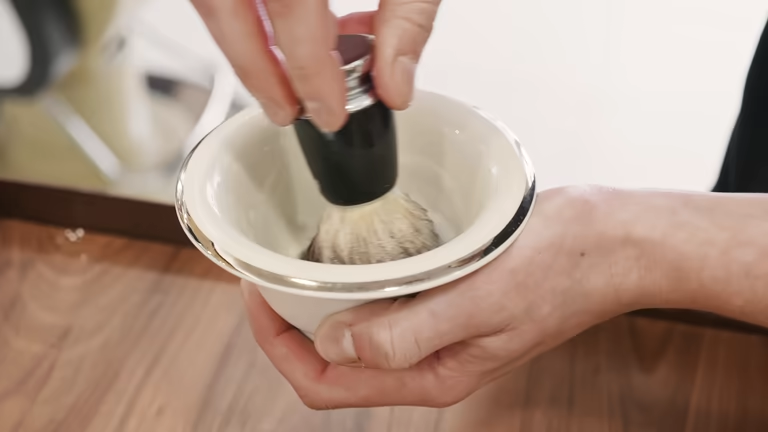
FoamThermodynamics and Shaving: Why You Need Warm Foam?
Many people believe that foam is only for lubrication, which is one of the biggest misconceptions about wet shaving.
“softening.”The core function of foam is actually “hydration” and “softening”.
From a physiological perspective, when you use the technique of making hot foam, two things happen:
Physical softening: Human beards are as hard as copper wire when dry. Warm moisture allows for faster penetration of keratin, causing the beard to swell and soften. Tests have shown that beards softened by sufficient heat have a cutting resistance that is reduced by more than 40%.
safety razor’sPore opening: Cold foam can cause the arrector pili muscles to contract (giving you goosebumps), making the skin surface uneven. Warm foam, on the other hand, keeps pores open, allowing the Safety Razor‘s blades to get closer to the hair follicle roots for a deeper and cleaner shave.
blades butIf you find that your safety razor is not easy to use or causes a pulling sensation, the problem may not be with the blades, but with your foam being too cold.
Lathering Bowl vs. Shaving Scuttle
When you decide to upgrade your equipment, you usually have two options: a regular foaming bowl and a scuttle with heat retention. They look similar, but their design logic is completely different.
Lathering Bowl
This is a basic shaving bowl recommendation. It is usually a wide-mouthed bowl with an uneven textured bottom (such as spirals, dots, or ridges).
Core function: This textured design is to increase friction. When you swirl the brush on the bottom of the bowl, air is quickly injected into the soap solution, creating a dense, thick lather like Greek yogurt in a very short time.
Limitations: Standard bowls are typically made of ceramic, stainless steel, or 3D-printed plastic. While they can produce perfect foam, they cannot retain heat. In cold weather, the foam in the bowl often cools down completely by the time you’ve finished the first pass and are ready to scrape the second.
Warm Foam Cup (The Shaving Scuttle)
structure.”This is the culmination of the wisdom of Victorian gentlemen and the ultimate pursuit of modern enthusiasts. The core of the Shaving Scuttle’s usage lies in its unique “double-layer structure”.
scuttleStructural Analysis: The Scuttle looks like a large bowl inside a smaller bowl. There is a hollow space between the two walls, with a water inlet.
How it works: You need to fill the interlayer with hot water. Utilizing the excellent thermal conductivity of ceramic, the hot water in the interlayer continuously heats the inner bowl. This way, no matter how long your shave takes, your foam will always remain warm.
bath.” This is like giving your shaving soap a “temperature-controlled bath”. When you finish your first shave and put the brush back into the ceramic shaving cup, the warm and smooth touch will make you fall in love with those ten minutes every morning.

Why is ceramic the first choice?
When looking for wet shaving accessories, you’ll see products made of stainless steel, copper, and even wood. But for Scuttle, ceramic is undoubtedly king.
Heat Retention: The thick ceramic walls provide excellent heat retention. Once preheated, it can maintain an effective temperature for 10-15 minutes, which is just enough for a standard 3-pass shave.
Surface tension: The smooth surface of glazed ceramics is easy to clean and also helps to gather foam
safety razor
Friction Texture: High-quality handcrafted ceramic scuttlesfeature intricate hand-engraved textures on the bottom of the inner liner. This is crucial for Safety Razor users, as it determines the efficiency of foaming.
quickly,In comparison, stainless steel bowls are durable but lose heat too quickly; while plastic bowls are lightweight but cannot compare to the weighty ceramic bowls in terms of texture and heat retention.
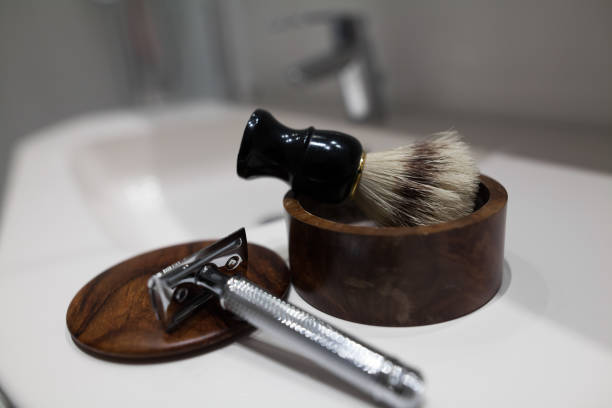
a shaving scuttleHow to correctly use Shaving Scuttle
safety razorIf you already have a Scuttle, here’s a standard operating procedure to maximize your Safety Razor experience:
Preheating: Before brushing your teeth, fill the scuttle’s inner chamber and bowl with the hottest tap water (Note: Do not use boiling water, as this may damage the glaze or burn your skin). Let it sit for 2-3 minutes to allow the ceramic to fully absorb the heat.
Pouring and adding water: Pour out the water from the inner bowl, but keep the hot water in the interlayer. If the water temperature drops, you can replace it with fresh hot water.
Lathering: Swirl the spun brush in the inner bowl to create foam. You’ll find that as the heat from the bowl’s walls is transferred, the foam releases a richer aroma (heat helps the essential oils evaporate).
safety razor,Shaving intervals: When you are shaving with the Safety Razor, put the foamy brush back into the warm scuttle.
Enjoy: Every time you pick up the brush to apply it to your face, it’s like a warm hug.
temperature;It’s not just about temperature, it’s about attitude.
In this efficiency-driven era, spending a few minutes preparing hot water and lathering foam seems out of place.
“slowness.”But the charm of the safety razor lies precisely in this “slowness”.
safety razorA high-quality shaving scuttle or a textured ceramic shaving cup may not directly change the sharpness of a Safety Razor blade, but it changes the way you treat yourself.
It transforms what was once a dull, cold routine into a warm, fragrant, and anticipated personal ritual.
The next time you stand in front of the mirror, try rejecting that cold, foamy liquid. Give your face some warmth, and it will reward you with unprecedented smoothness and cleanliness.
FAQ
Q1: Can a shaving scuttle be heated in a microwave?
While most ceramic shaving soaps are microwave safe, I strongly advise against it. First, the water in the interlayer will create steam pressure when heated, potentially causing the scuttle to crack. Second, excessively high temperatures can damage some of the natural oils in the shaving soap (such as lanolin) and could even burn your skin. Using hot water from a tap (around 50-60°C) is sufficient.
Q2: Do users with face blistering need Scuttle?
If you’re used to face shaving, you might not need a scuttle to lather your face, but it’s still very useful. You can think of it as a “brush scuttle.” Place the brush in the warm inner scuttle between shaves so the bristles remain warm when you apply the second or third coat of foam—a great pleasure for Safety Razor‘s multi-pass shaving routine.
Q3: Is the Scuttle the only tool that can produce hot foam?
Not necessarily, but it’s the most durable solution. If you don’t want to invest in Scuttle, there’s a low-cost way to make hot foam: find a regular, thick ceramic bowl and float it in a sink filled with hot water (like heating chocolate in a water bath). While a bit cumbersome and prone to water getting in, you’ll experience the improvement that warm foam brings to the smoothness of the safety razor.